Deal Acceleration Tactics to Shorten Your Sales Cycle
Sales cycle length has a direct impact on revenue velocity, resource allocation, and team productivity. The longer a deal takes to close, the more uncertainty enters the pipeline – whether that’s shifting stakeholder priorities, budget constraints, or internal misalignment. And this affects forecast accuracy, extends CAC payback periods, and slows down strategic planning.
And yet, the causes are rarely dramatic. Lost time tends to accumulate in small, operational breakdowns: misqualified leads, fragmented data, inconsistent follow-ups, and delayed responses. These are process gaps, and they show up in every stage of the funnel.
Deal acceleration is about resolving those gaps. It’s a targeted approach to compressing the sales cycle by eliminating friction, improving handoffs, and equipping reps with the insight and systems to execute with speed and precision – often powered by contact enrichment to ensure every touchpoint is timely and informed.
In this article, we’ll explore the tactics that top-performing teams use to shorten their sales cycles – from smart prospecting to real-time engagement – and the tools that make that acceleration sustainable at scale.
What is a Sales Cycle?
The sales cycle refers to the full sequence of steps a sales team takes to turn a sales lead into a closed deal. While the specifics can vary by company or industry, most B2B sales cycles include these core stages:
- Prospecting: identifying and sourcing potential leads
- Qualification: assessing which leads are worth pursuing
- Discovery: understanding the buyer’s needs, pain points, and priorities
- Proposal: presenting a tailored solution
- Negotiation: aligning on pricing, scope, and terms
- Close: securing commitment and finalising the deal
The length of this cycle can vary significantly. Enterprise deals that involve multiple stakeholders may take months. Transactional sales in smaller markets may move faster. But the longer the cycle, the more it costs. Resources are tied up. Risk increases. And forecast accuracy takes a hit.
That’s why cycle compression matters. Long cycles stretch teams thin and slow revenue recognition. Shorter, well-managed cycles make forecasting easier, accelerate growth, and free up reps to focus on higher-value opportunities.
The key is not to rush the process, but to optimize. And that requires a strategy tailored to your specific sales motion, market, and team capacity.
Why Shortening Your Sales Cycle Matters
A shorter sales cycle directly impacts revenue velocity. When deals close faster, you recognise revenue sooner, improve cash flow, and reduce the risk of slippage from shifting priorities or stakeholder churn. It also sharpens forecast accuracy, allowing for more confidence in the numbers and more agility in planning.
Long sales cycles tie up resources. Reps spend more time per deal, often chasing opportunities that should have been disqualified earlier. This limits capacity and inflates cost per acquisition. When cycles are compressed, teams can run more opportunities through the funnel without adding headcount which improves throughput and boosting return on effort.
The Case for Automation
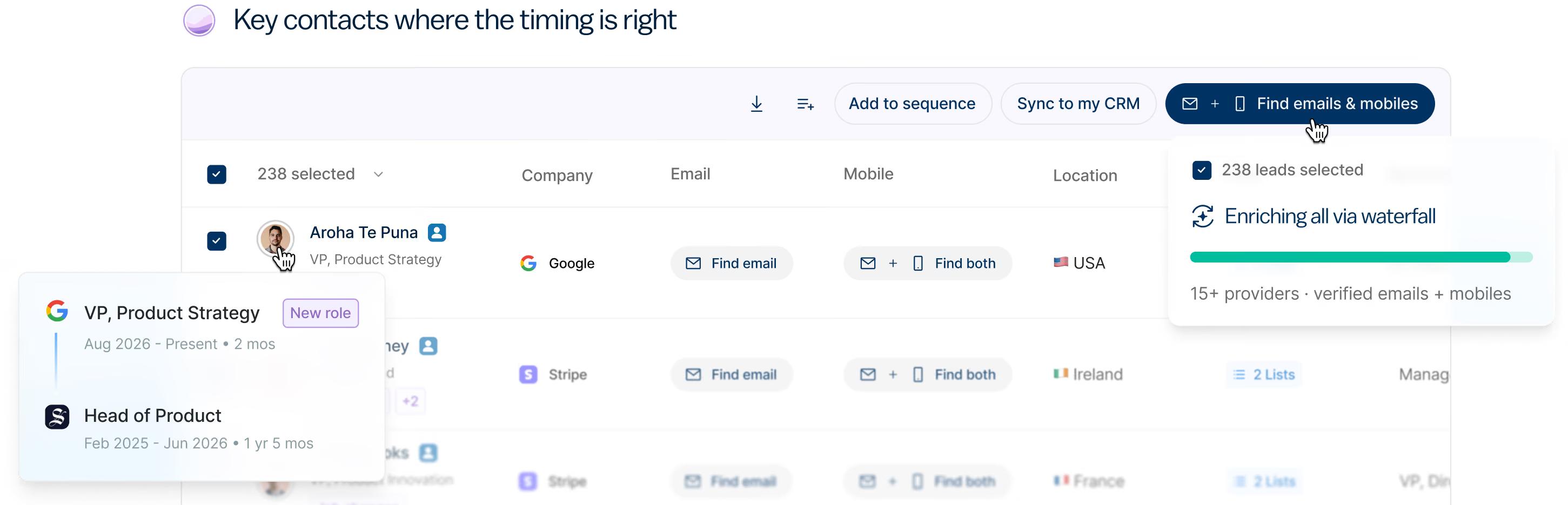
Speed comes from removing friction. Sales engagement platforms like Outreach or Salesloft automate task sequencing and follow-ups, while enrichment tools like Surfe keep contact data current and CRM records clean. By eliminating repetitive tasks and manual delays, automation frees up reps to focus on momentum and keeps deals moving forward.
Deal Acceleration Tactics That Can Shorten Your Sales Cycle
The biggest delays in a sales cycle often stem from operational drag: things that should work, but don’t. Missed timing. Manual tasks. Gaps in data or follow-through. These slowdowns aren’t always visible on the surface, but they create real friction deeper in the funnel.
This section outlines the practical tactics high-performing teams use to remove these issues:
Clear and Consistent Outreach
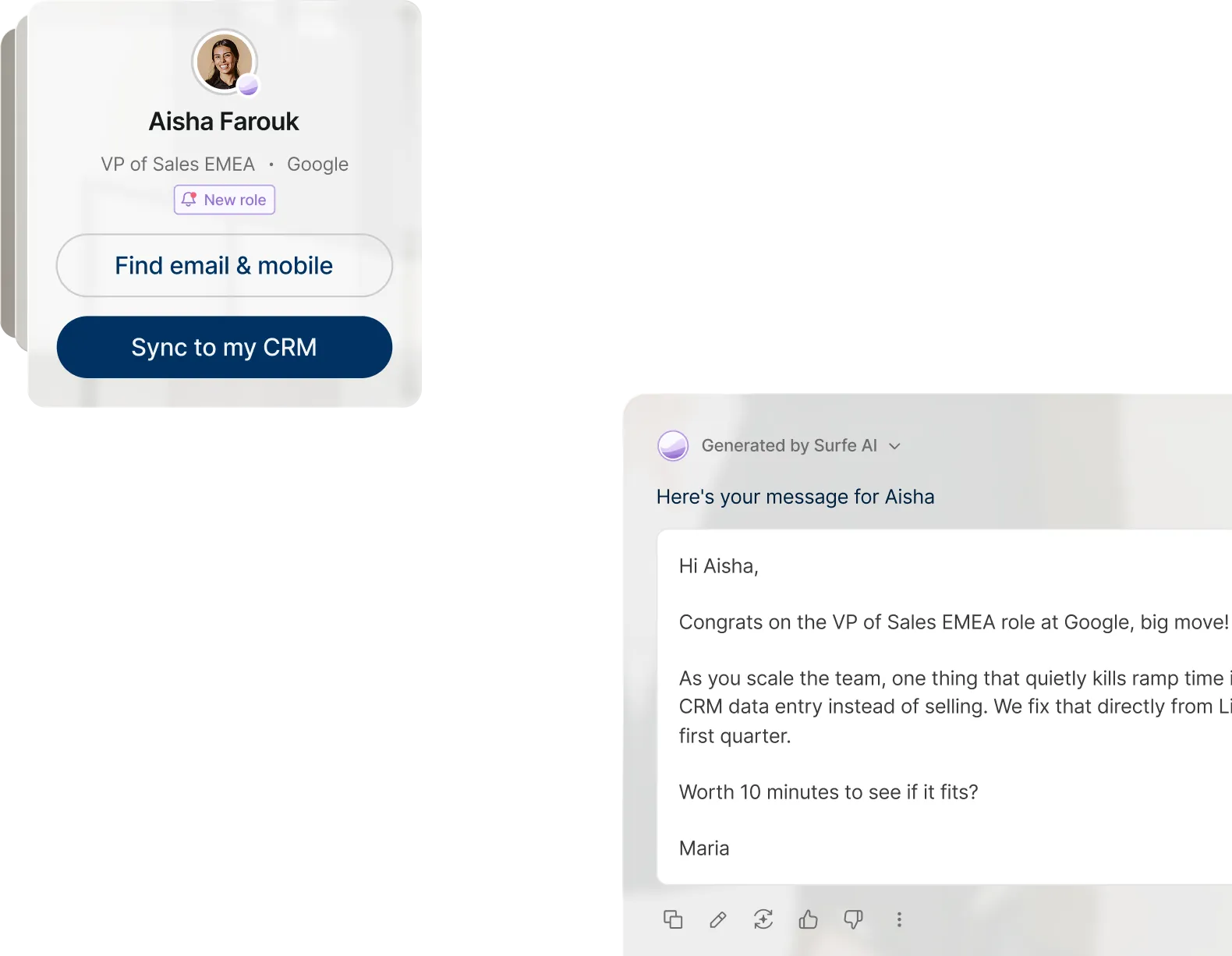
Timely, personalised outreach keeps momentum high and buyers engaged. That means reaching out across multiple channels (like email, LinkedIn, or phone) with messaging tailored to the account. Tools like Outreach or Salesloft make it easier to sequence touchpoints, monitor engagement, and ensure no lead slips through the cracks.
Qualify Leads Early
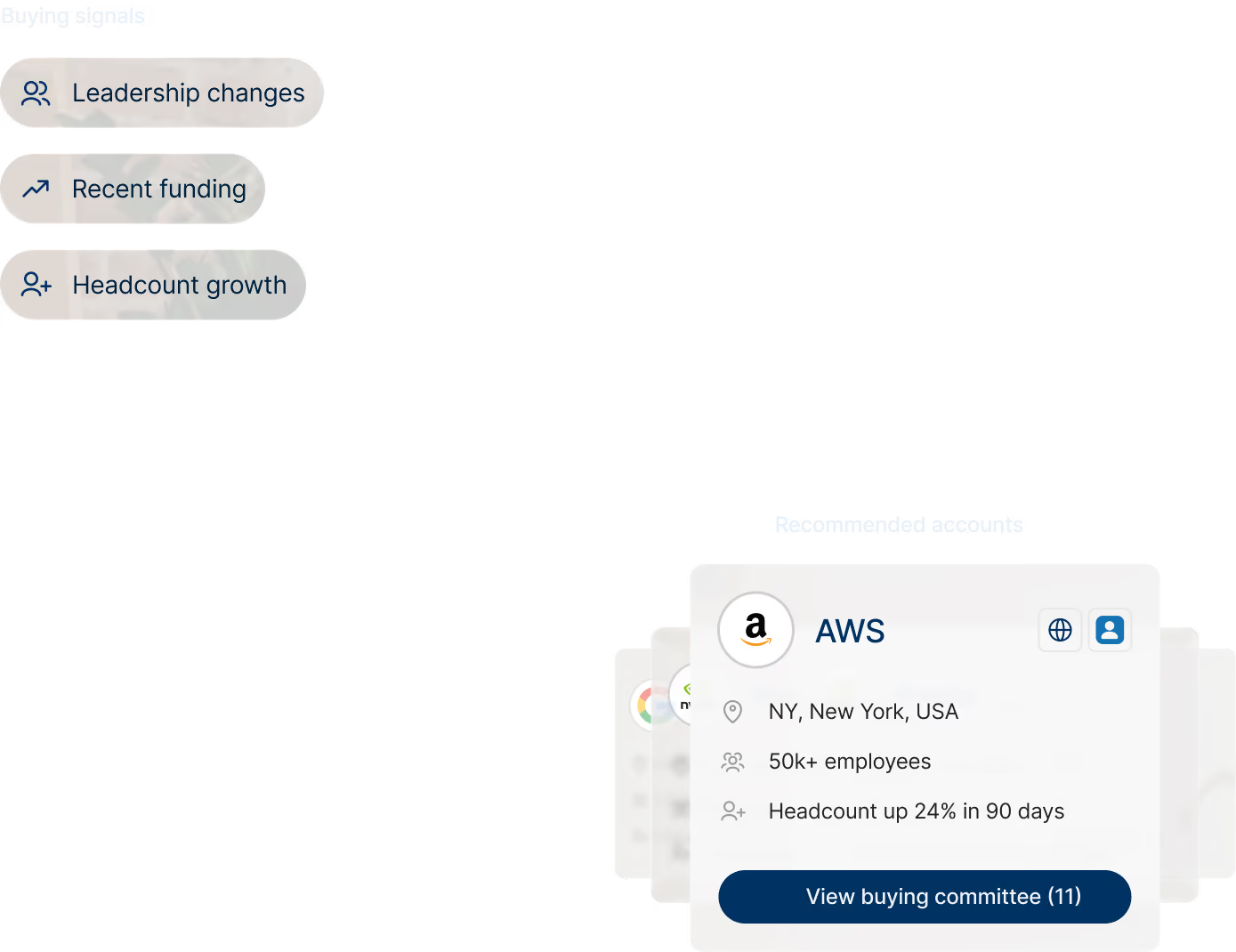
A shorter sales cycle starts with tighter qualification. Using real-time data and clear criteria, teams can quickly identify which leads are worth pursuing, and which should be deprioritised. High-performing teams lean on their CRM to track intent signals and use lead scoring models to flag accounts with the highest likelihood to convert.
Leverage Sales Intelligence Tools
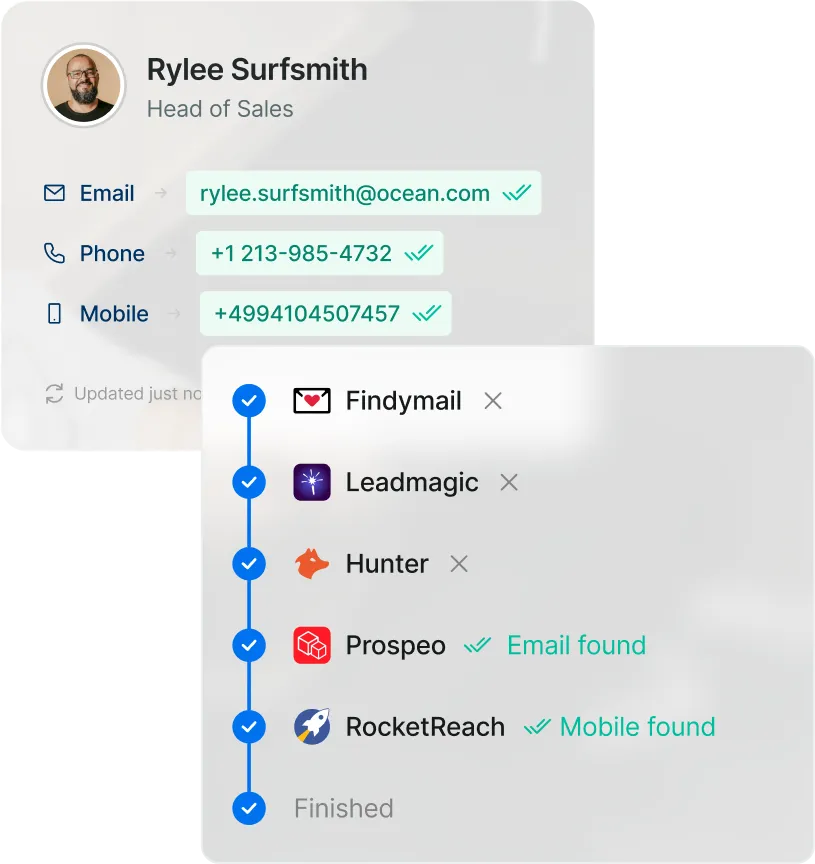
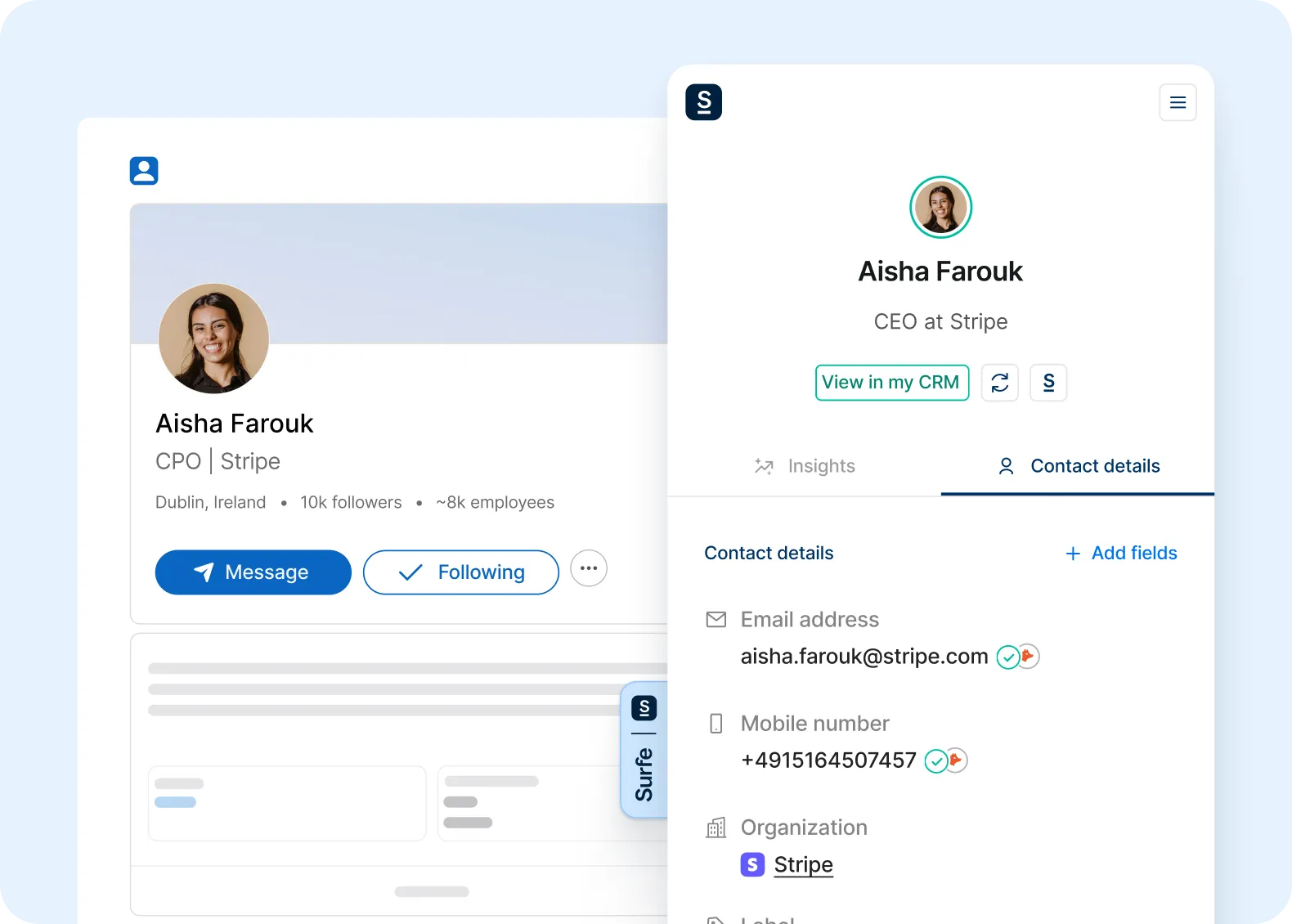
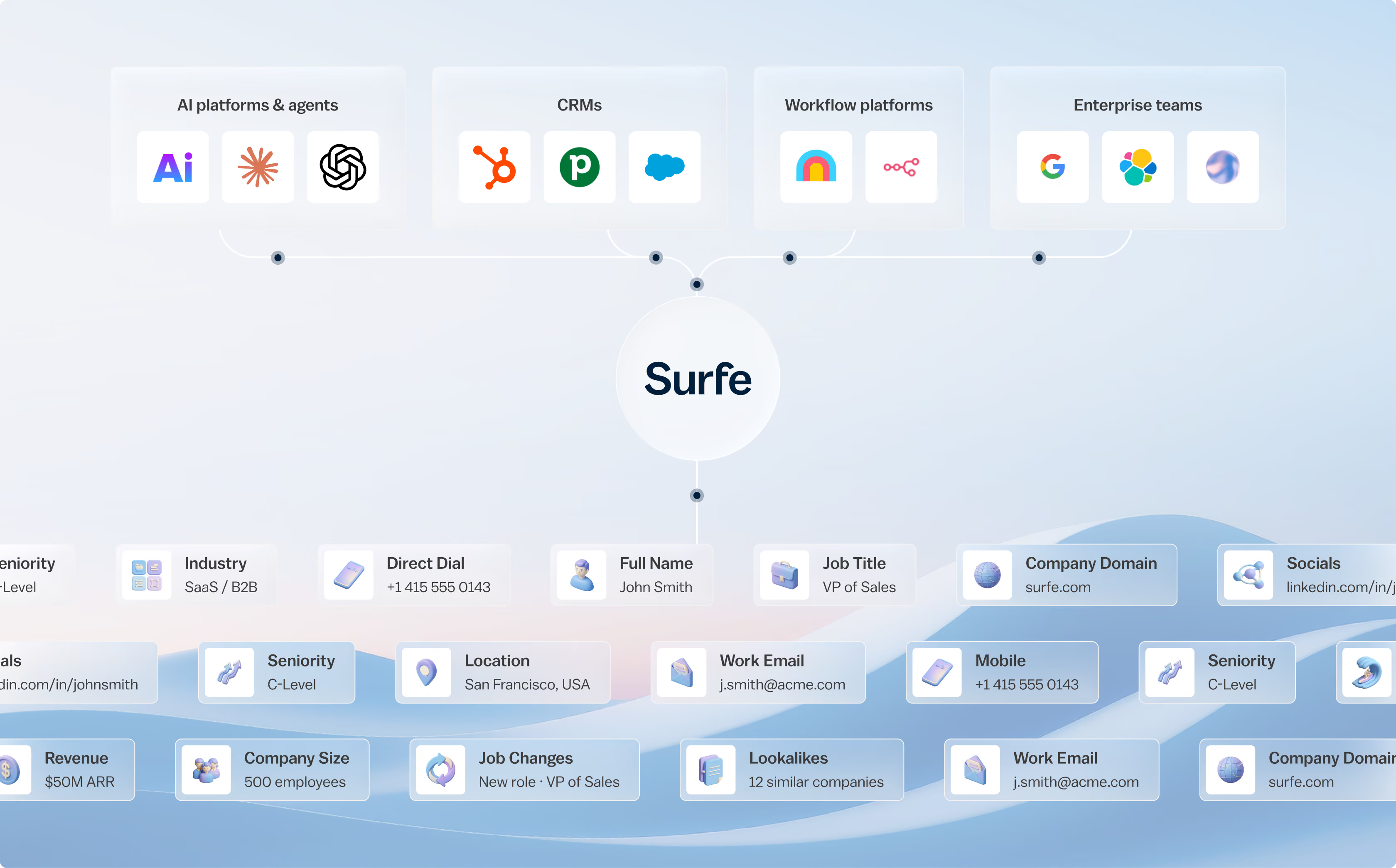
Outdated or incomplete data slows everything down. Enrichment platforms like Surfe provide accurate, up-to-date contact information directly from LinkedIn, helping reps connect with the right stakeholders earlier and saving them time on out-of-date accounts.
Engage in Real-Time Communication
Deals move faster when conversations happen in real time. That means quick responses via live chat, email, or phone – especially when buyers show interest. CRM integrations with tools like Intercom or Slack can surface key activity signals instantly, allowing reps to act while the prospect is still engaged.
Streamline Your Follow-Up Strategy
Follow-ups are where many deals stall. Consistency is key. Automating your follow-up sequences ensures no touchpoint is missed, and each message adds incremental value. Surfe’s LinkedIn integration helps reps keep contact data up-to-date and follow up promptly, making sure timing and context stay aligned throughout the cycle.
How Technology and Tools Can Help
Sales acceleration is about infrastructure. Without the right systems in place, even the most well-designed sequences can stall. This section explores how integrated tooling can support faster, more efficient sales cycles.
Use Data-Driven Insights
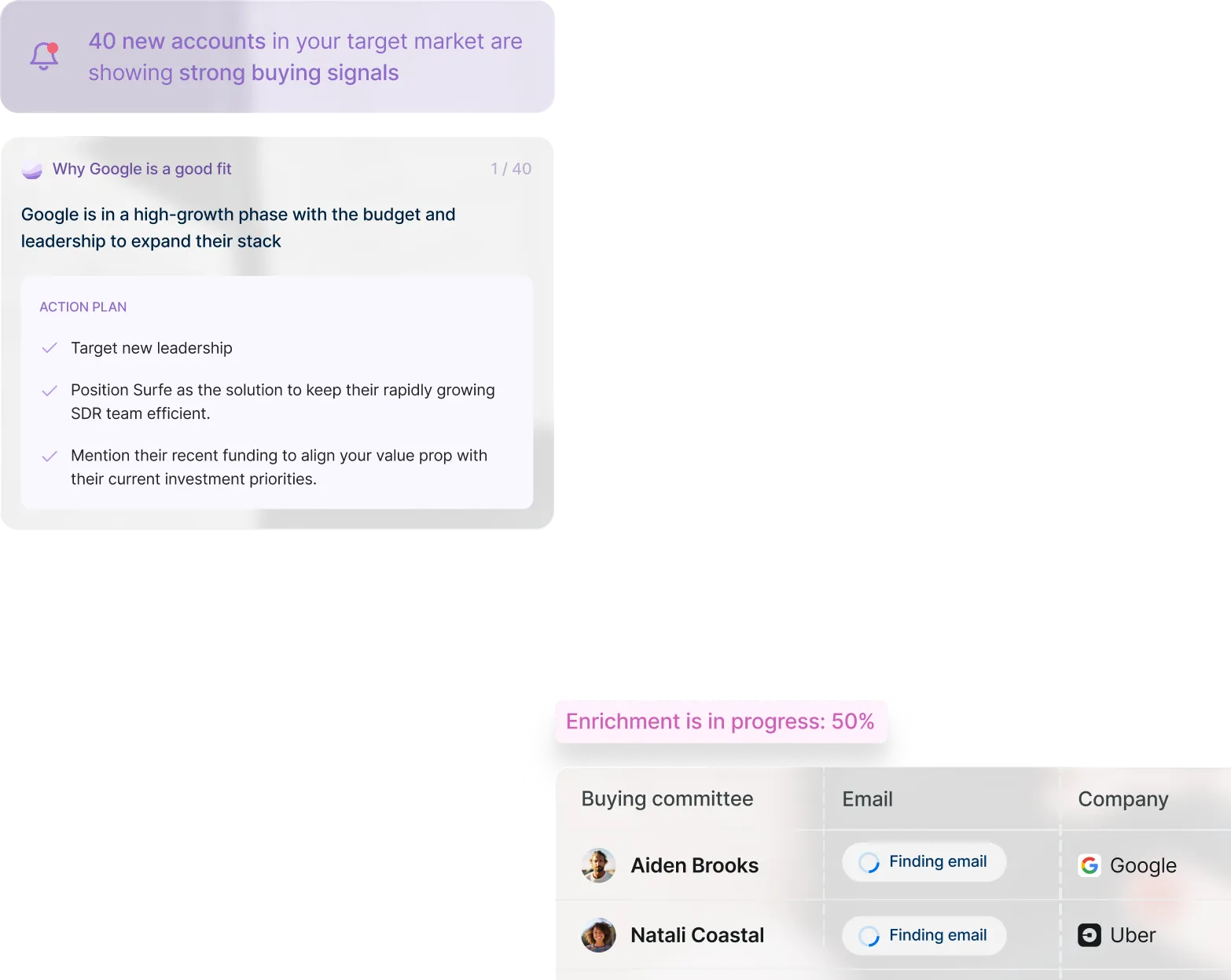
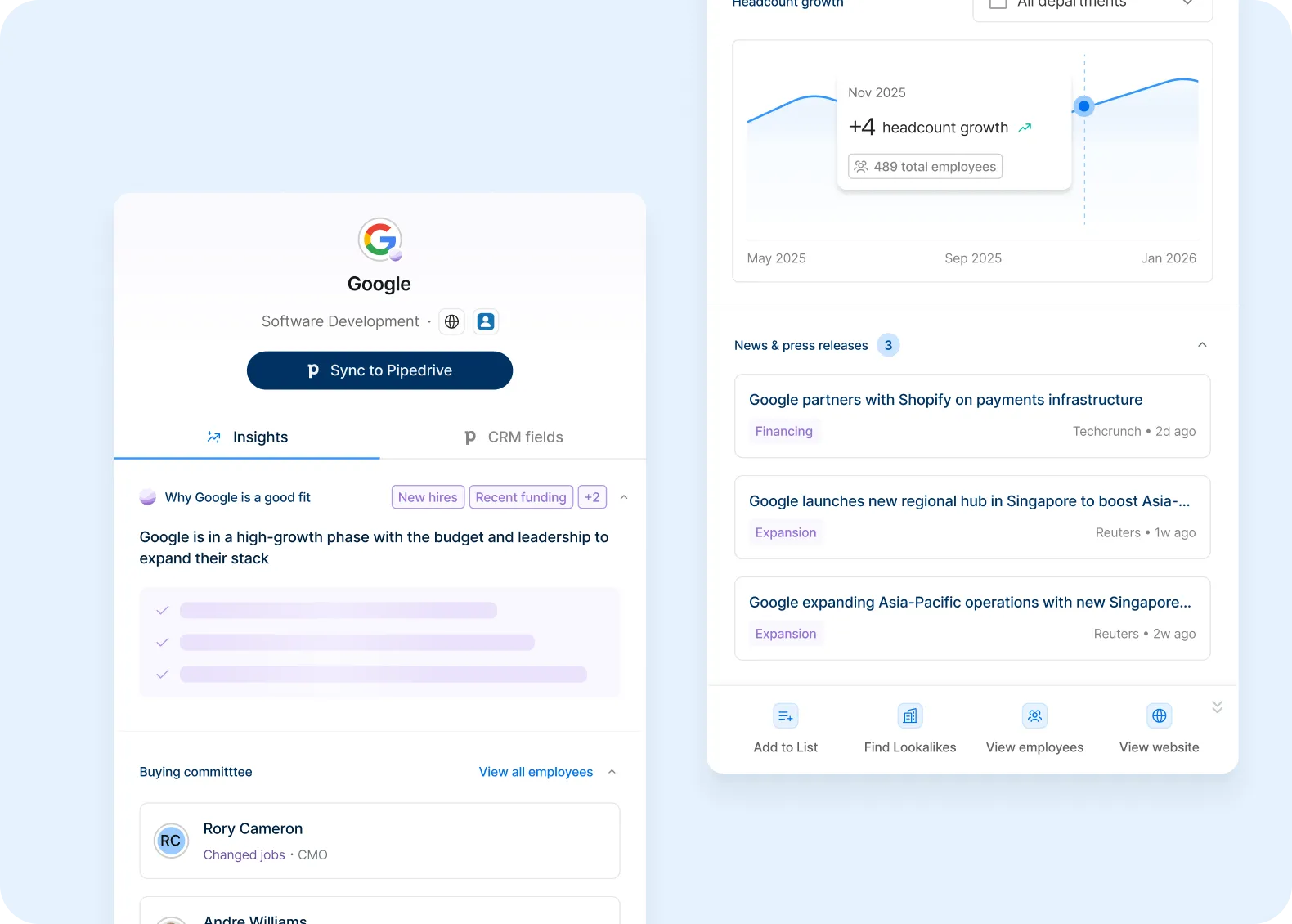
By combining CRM data with sales intelligence platforms, teams can identify patterns across deal stages, spot bottlenecks early, and adjust outreach based on real-time behaviour. This insight turns intuition into action and helps prioritise the right accounts at the right time.
Automated Data Enrichment
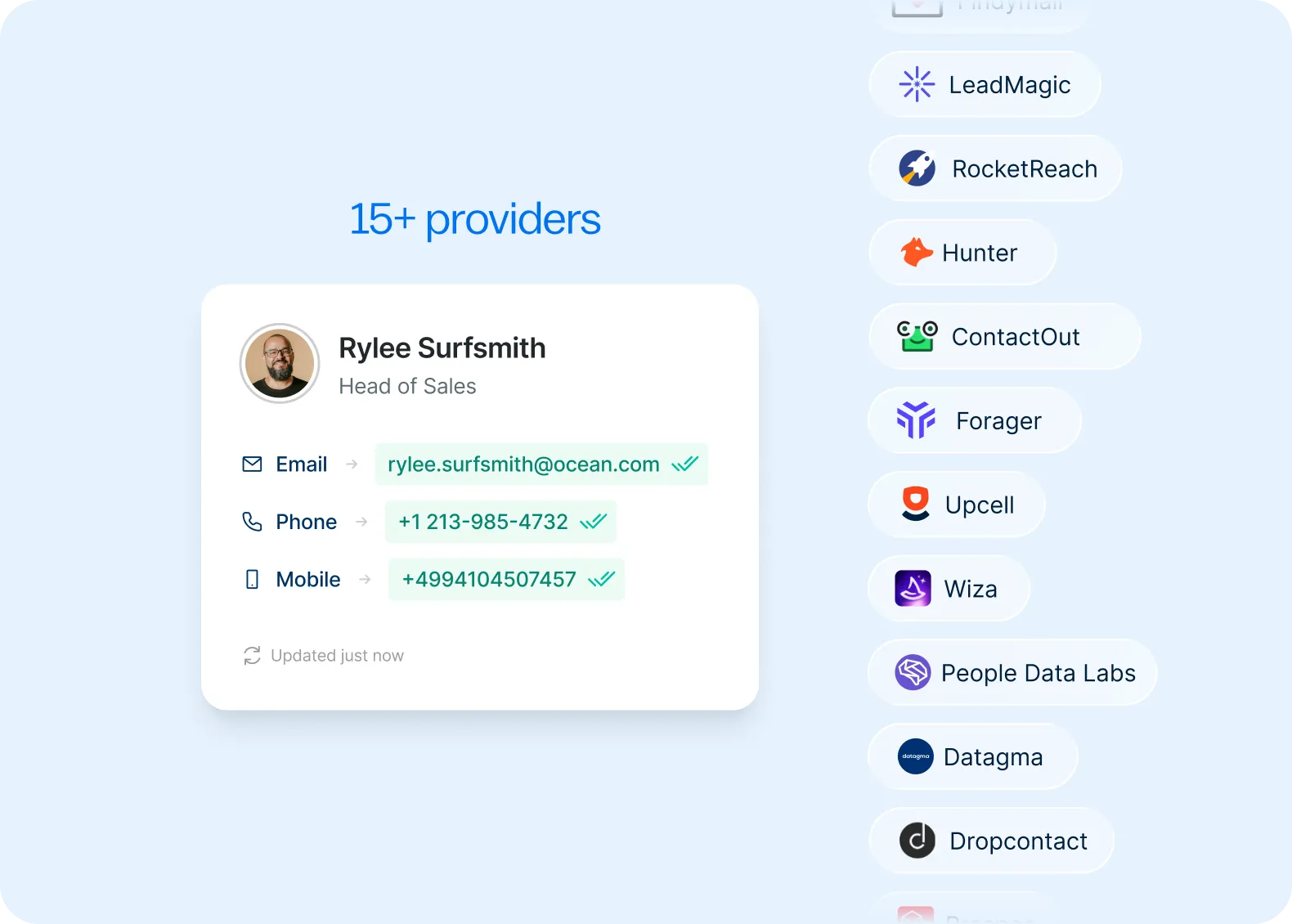
Time spent chasing missing contact info is time not spent selling. Enrichment tools like Surfe automatically pull accurate, up-to-date data from sources like LinkedIn and sync it into your CRM, reducing manual entry and ensuring your records stay clean. That means less admin, better targeting, and fewer blockers to momentum.
Integrate Across Platforms
Disconnected tools slow workflows down. When CRMs, outreach platforms, and communication tools operate in silos, reps lose time switching tabs, duplicating effort, or chasing down context. Integration fixes that, making sure every touchpoint is backed by data that’s current, complete, and consistent.
Accelerate With Automation
Platforms like Outreach.io help scale consistent, multi-channel outreach while freeing reps from repetitive tasks. Automating these flows protects pipeline integrity. With fewer manual errors and more structured workflows, every deal moves through the funnel with less friction and more visibility.
Shortening Sales Cycles: Final Thoughts
Sales cycle length directly influences revenue, forecasting accuracy, and operational efficiency. The longer it takes to close, the more cost, risk, and complexity enter the equation. But when friction is removed – through stronger qualification, timely follow-ups, and accurate data – deals move faster and outcomes become more predictable.
The tactics in this article won’t solve everything overnight. But applied consistently, with the right infrastructure, they unlock real gains: accelerated cycles, clearer pipeline, and more control over growth.
FAQs
What Is a Sales Cycle in B2B Sales?
A sales cycle is the end-to-end process a sales team follows to convert a lead into a customer. In B2B sales, it typically includes six stages: prospecting, qualification, discovery, proposal, negotiation, and close. While the core steps are consistent, the length and complexity can vary depending on deal size, industry, and the number of stakeholders involved. A clear understanding of your sales cycle allows for better forecasting, improved pipeline management, and more precise resource allocation – especially when the process is mapped, measured, and continuously refined.
How Long Is a Typical B2B Sales Cycle?
There’s no one-size-fits-all answer. A typical B2B sales cycle can range from a few weeks for transactional sales to several months for enterprise deals. Factors like deal size, product complexity, and number of decision-makers all influence cycle length. That said, long sales cycles tend to tie up resources, reduce forecast accuracy, and increase risk. That’s why cycle compression – removing delays, improving qualification, and automating where possible – has become a key lever for revenue teams looking to drive efficiency and predictability.
Why Is It Important to Shorten the Sales Cycle?
Shortening the sales cycle improves revenue velocity, cash flow, and forecast accuracy. It means less time waiting on deals to close, and more time generating new pipeline. Long sales cycles inflate cost per acquisition and stretch teams thin. In contrast, a well-managed, compressed cycle enables reps to handle more deals without compromising quality – boosting efficiency and driving better ROI per headcount. For sales leaders, it’s about removing the friction that slows it down.
What Causes Sales Cycles to Slow Down?
Sales cycles often slow down due to operational inefficiencies rather than a lack of buyer intent. Common culprits include misqualified leads, inconsistent follow-ups, manual data entry, and poor internal handoffs. These are small, compounding delays that add up across the funnel. That’s why deal acceleration focuses on removing friction at every stage. With tighter processes and the right tooling, teams can keep deals moving and reduce the risk of stalls or slippage.
What Tools Help Accelerate the Sales Cycle?
Tools that streamline workflows and eliminate manual work can dramatically reduce sales cycle length. Sales engagement platforms like Outreach or Salesloft automate task sequencing, follow-ups, and multichannel outreach. Enrichment platforms like Surfe provide accurate contact data directly from LinkedIn, helping reps reach decision-makers faster. CRM integrations and real-time alerts from tools like Intercom or Slack also keep teams responsive and aligned. The goal: remove delays, stay proactive, and maintain momentum throughout the deal cycle.
How Can Sales Teams Optimise Their Sales Cycle?
Optimising the sales cycle starts with visibility. Track key metrics like stage conversion, time-in-stage, and deal velocity to identify where slowdowns occur. Then focus on tightening qualification, improving follow-up consistency, and integrating tools that automate repetitive tasks. Data enrichment platforms like Surfe ensure clean CRM data, while sales engagement tools help teams deliver timely, personalised outreach. When every stage of the cycle is refined for speed and precision, deals close faster – and growth becomes more predictable.